


Sending money to a loved one or making a payment abroad might seem straightforward, but we often get stuck at the counter (or on the application!) searching for one crucial piece of information. Indeed, the required documents and codes change radically depending on whether you use your bank or a specialized transfer service, not to mention the specific requirements of each destination country.
To save you from this headache, here is a comprehensive overview of what you need to prepare to ensure your transfer goes through without a hitch.
1. Your Own Information First (The Sender)
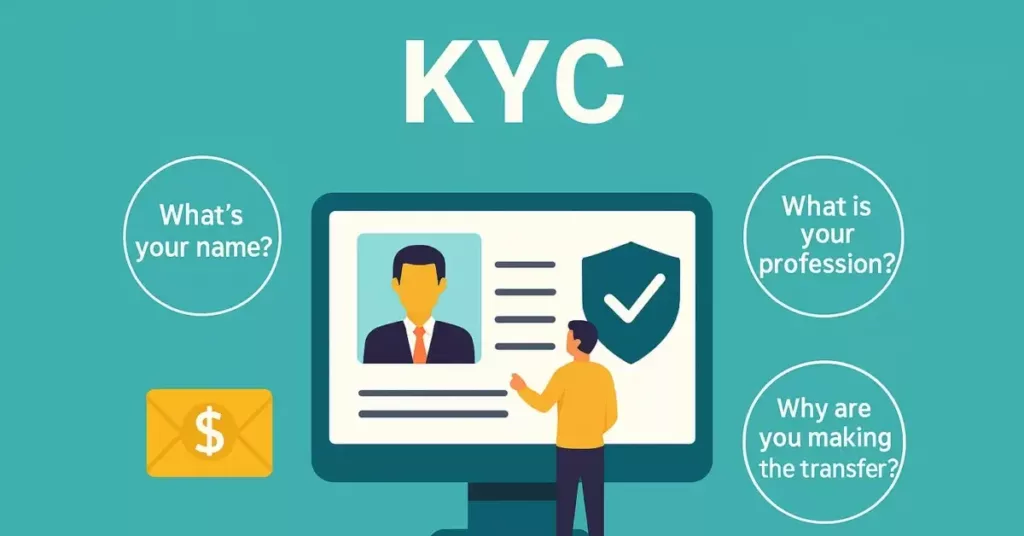
Before even thinking about the recipient, you must “show your credentials.” Whether it is an operation conducted in an agency or online, you will be asked for, almost systematically:
- A Valid Photo ID: This is the foundation. Prepare your national identity card, passport, or driver’s license.
- Your Complete Contact Details: Your full name, current address, and often a phone number are essential.
- Means of Payment: Logically, you must have the funds available. If it’s an online transfer, this will be your bank account details. If it’s at a counter, have cash or your debit card ready to cover the amount and the transfer fees.
2. The Recipient’s Information (Where You Are Sending the Money)
This is where the chosen transfer method radically changes the requirements. What you need depends on whether you are targeting a bank account or a cash pickup.
Case 1: The Classic Bank Transfer
If you opt for a bank-to-bank wire transfer (often used for large amounts or formal payments), precision is crucial. A single error can block the funds.
- Exact Full Name: No nicknames! You need the name exactly as it appears on the recipient’s bank documents.
- Bank Coordinates (The Vital Duo):
- The IBAN: For Europe (SEPA transfers) and many other countries, the IBAN (International Bank Account Number) is the mandatory international account number.
- The BIC/SWIFT Code: This is the international identifier for their bank. Without it, your bank does not know who to “talk to” abroad.
- Local Codes: Beware, some countries do not use the IBAN (or use it rarely). For example, for the United States, you will be asked for an ABA code (or “routing number”), and for Canada, a transit number. Make sure you know the local requirements!
- Recipient’s Address: This is often requested for international wires as a security measure.
Case 2: Money Transfer Services (In-Agency or Online)
If you use a money transfer service (like Western Union, MoneyGram, or specialized online services such as TransferGratis), it is often simpler because the focus is on the individual:
- Full Name: Here too, the name must be exactly the same as on the official ID the beneficiary will present for pickup.
- Destination Country: Where should the money arrive?
- Receiving Method: This is the key question. Will the money be:
- Picked up in cash at an agent location?
- Deposited into a local bank account?
- Sent directly to a “Mobile Money” wallet (very common in Africa)?
- Recipient’s Contact: A phone number is often vital. Indeed, this is how they will receive notifications or the withdrawal code (often called MTCN or reference number) necessary to collect the funds.
3. Transaction Details (The “How Much” and the “Why”)
Finally, there is the information about the transfer itself:
- Amount and Currency: How much are you sending, and in which currency should the recipient receive it? The service will calculate the conversion if necessary.
- Purpose of Transfer: Do not be surprised if you are asked for this. For regulatory reasons (especially for large amounts or international transfers), you may be asked to specify the reason (gift, family support, bill payment, etc.).
In conclusion, preparing a money transfer is a bit like packing a parcel: you need the right address, the right name, and you need to know who is sending it. By having this information ready before you start, you will save yourself a lot of stress and delays. And trust services that comply with international standards, such as TransferGratis, which allows you to send money from Canada to Africa securely.
Try Transfergratis today and optimize your international financial flows! The Transfergratis platform is a free, fast, and secure money transfer service from Canada to Africa. Download the app on the Play Store or the App Store.